
As global regulations tighten and consumers become more aware of product safety, food-grade compliance has become one of the most important considerations in stainless steel drinkware manufacturing.
For importers, wholesalers, Amazon sellers, promotional brands, and private label companies, choosing a compliant drinkware supplier is no longer optional — it is essential for avoiding customs delays, failed inspections, product recalls, and marketplace penalties.
In 2026, buyers are paying closer attention to:
- FDA compliance for the US market
- LFGB testing for Europe
- BPA-Free materials
- PFAS-Free coatings
- Heavy metal migration testing
- REACH and Prop 65 requirements
This guide explains the most important food-contact regulations for stainless steel tumblers, insulated bottles, and reusable drinkware sold in North America and Europe.
What Certifications Are Required for Food-Grade Drinkware in 2026?
Most stainless steel drinkware products entering the US and EU markets require some combination of the following:
- FDA 21 CFR compliance
- LFGB testing
- BPA-Free verification
- PFAS-Free declaration
- Heavy metal migration testing
- REACH compliance
- California Prop 65 compliance
- Food-contact silicone testing
Different markets prioritize different standards, but global brands increasingly expect suppliers to provide complete compliance documentation before production begins.
Quick Comparison: US vs EU Drinkware Compliance Standards
| Compliance Item | United States | European Union |
| FDA 21 CFR | Required | Not Required |
| LFGB | Optional but preferred | Strongly Recommended |
| BPA-Free | Expected | Expected |
| PFAS-Free | Increasingly Required | Increasingly Required |
| REACH | Limited relevance | Required |
| Prop 65 | California market | Not Applicable |
| Heavy Metal Migration Testing | Important | Essential |
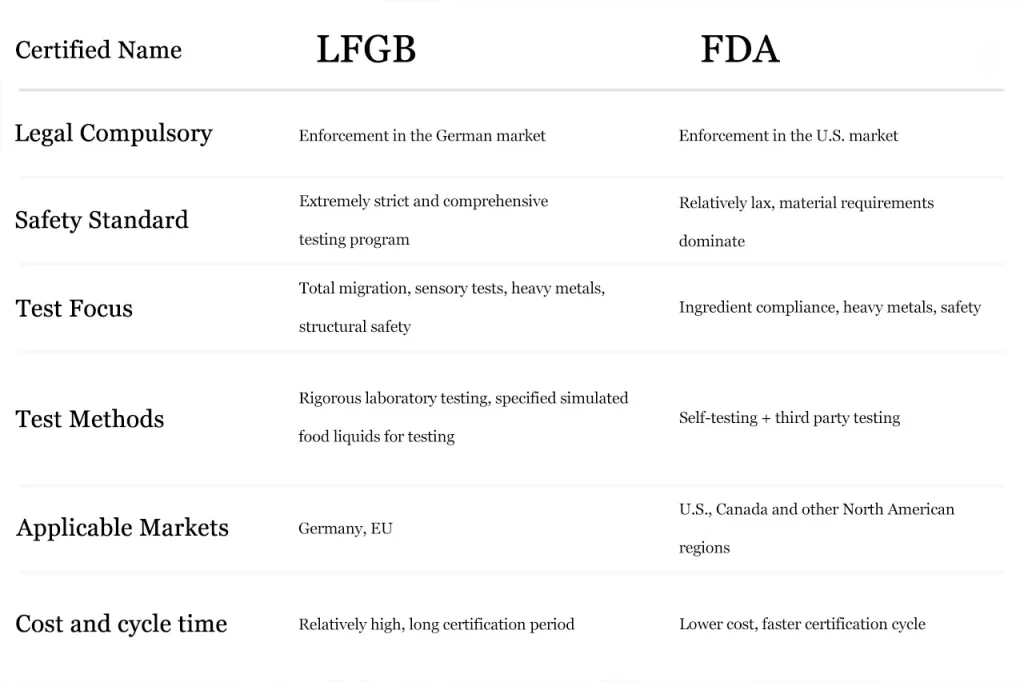
For international brands, the safest approach is working with manufacturers that already produce products meeting both FDA and LFGB requirements.
Understanding FDA Compliance for Drinkware
What Is FDA Compliance?
FDA compliance refers to food-contact material regulations established by the US Food and Drug Administration.
For stainless steel drinkware, FDA requirements primarily focus on:
- Food-contact safety
- Material composition
- Chemical migration limits
- Coating safety
- Plastic and silicone component compliance
Manufacturers exporting tumblers or water bottles to the US market should ensure that all food-contact materials meet FDA standards under 21 CFR regulations.
Why FDA Compliance Matters
Products failing FDA-related inspections may face:
- Customs delays
- Product seizure
- Amazon listing suspension
- Retailer rejection
- Legal liability
- Brand reputation damage
Many importers now request FDA-related testing reports before approving production.
Understanding LFGB Testing for the European Market
What Is LFGB?
LFGB is one of the strictest food-contact safety standards in Europe.
Compared with FDA standards, LFGB testing is generally more demanding and includes stricter migration testing requirements.
European buyers often request LFGB reports for:
- Stainless steel tumblers
- Coffee mugs
- Vacuum bottles
- Silicone seals
- Plastic lids
- Straw components
Why LFGB Is Important
Passing LFGB testing can significantly improve buyer confidence because it demonstrates a higher level of material safety and manufacturing control.
For many premium European brands, LFGB compliance is considered a minimum requirement rather than a competitive advantage.
BPA-Free and PFAS-Free Requirements in 2026
BPA-Free Drinkware
BPA (Bisphenol A) is a chemical historically used in certain plastics and resins.
Although stainless steel bottles themselves do not contain BPA, components such as:
- Plastic lids
- Straw systems
- Inner coatings
- Silicone accessories
may still raise BPA concerns.
Modern buyers increasingly expect BPA-Free verification for all drinkware components.
PFAS-Free Drinkware
PFAS regulations are becoming one of the biggest compliance trends in 2026.
PFAS chemicals are associated with environmental and health concerns, leading many brands and retailers to phase out PFAS-containing materials.
Buyers now frequently request:
- PFAS-Free coatings
- PFAS-Free non-stick treatments
- PFAS-Free surface finishes
- PFAS-Free declarations from suppliers
Manufacturers that proactively adopt PFAS-Free production systems are becoming more attractive to global brands.
Common Compliance Failures in Cheap Drinkware
One of the biggest risks in global sourcing is working with low-cost suppliers that lack proper quality control systems.
Common compliance failures include:
Fake Stainless Steel Grades
Some factories falsely label lower-grade steel as 304 stainless steel.
This can lead to:
- Corrosion
- Heavy metal migration
- Rust formation
- Failed testing reports
Non-Compliant Silicone Components
Cheap silicone seals and gaskets may fail food-contact testing due to excessive chemical migration.
Poor Surface Treatment
Improper polishing or passivation processes can increase contamination risks and reduce corrosion resistance.
Unverified Coatings
Low-cost coatings may contain restricted chemicals or fail PFAS-related requirements.
Expired or Fake Lab Reports
Some suppliers provide outdated or unverifiable compliance documents.
Buyers should always verify:
- Testing dates
- Laboratory accreditation
- Product model consistency
- Report authenticity
Heavy Metal Migration Testing Explained
Migration testing evaluates whether harmful substances transfer from drinkware materials into beverages under simulated usage conditions.
Testing may include:
- Lead migration
- Cadmium migration
- Chromium release
- Nickel release
- Other heavy metal testing
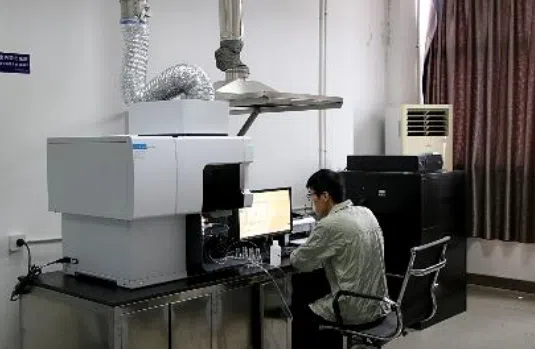
Migration limits are especially important in European compliance systems.
Reliable manufacturers typically conduct regular third-party laboratory testing to ensure production consistency.
Why Surface Treatment Matters for Food Safety
Many buyers focus only on stainless steel grades, but surface finishing is equally important.
High-quality drinkware manufacturers often use:
- Electropolishing
- Passivation
- Precision cleaning systems
- Controlled welding environments
These processes improve:
- Corrosion resistance
- Hygiene performance
- Surface smoothness
- Product durability
- Food-contact safety
Poor finishing processes can compromise even high-grade stainless steel materials.
How to Verify a Drinkware Supplier’s Compliance Capability
Before placing bulk orders, buyers should evaluate whether a factory has genuine compliance management systems.
Key Questions to Ask Suppliers
- Can you provide recent FDA or LFGB reports?
- Are your reports product-specific?
- Which laboratories perform your testing?
- Do you support PFAS-Free requirements?
- What stainless steel grades do you use?
- How do you control raw material quality?
- Do you conduct migration testing regularly?
- Can you support Amazon compliance requirements?
Important Documents Buyers Should Request
- FDA test reports
- LFGB reports
- BPA-Free declarations
- PFAS-Free declarations
- REACH reports
- Material certificates
- Quality inspection reports
- Factory audit documents
Professional suppliers should be able to provide organized and traceable compliance documentation.
Why Many Amazon Drinkware Sellers Fail Compliance Testing
Many Amazon sellers focus heavily on pricing while overlooking compliance risks.
Common issues include:
- Unverified suppliers
- Generic testing reports
- Non-compliant coatings
- Inconsistent production quality
- Missing documentation
- Incorrect labeling
As Amazon and global regulators strengthen compliance enforcement, documentation quality is becoming increasingly important.
Sellers using properly tested products are more likely to avoid:
- Listing removal
- Customer complaints
- Negative reviews
- Regulatory penalties
2026 Drinkware Compliance Checklist for Importers
Before confirming production, buyers should verify the following:
Material Safety
- 304 or 316 food-grade stainless steel
- BPA-Free plastics
- Food-grade silicone
- PFAS-Free coatings
Testing Documentation
- FDA compliance reports
- LFGB reports
- Migration testing reports
- REACH documentation
- Prop 65 compliance (if applicable)
Manufacturing Controls
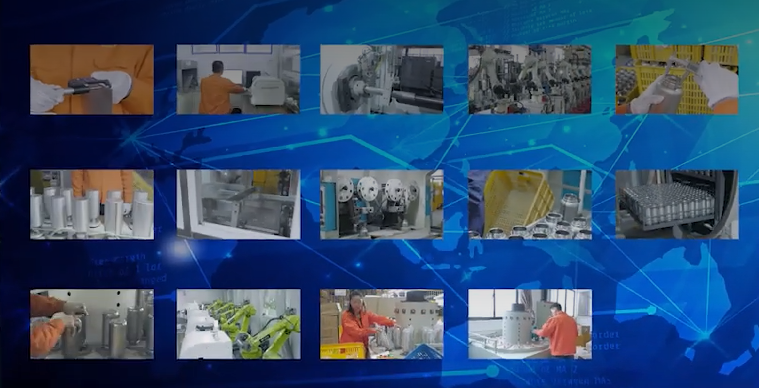
- Traceable raw materials
- Controlled welding processes
- Surface treatment management
- Quality inspection procedures
- Third-party testing support
Export & Labeling
- Correct packaging labels
- Country-specific warnings
- Compliance documentation for customs
- Product traceability systems
Choosing the Right Manufacturing Partner
A reliable drinkware manufacturer should offer more than just low pricing.
Professional suppliers should also provide:
- Stable compliance systems
- Material traceability
- Third-party testing support
- OEM and ODM flexibility
- Long-term production consistency
- International export experience
For growing brands, choosing the right manufacturing partner can reduce regulatory risks while improving customer trust.
Final Thoughts
Food-grade compliance is no longer a simple certification issue.
In 2026, it has become a critical part of brand reputation, global sourcing strategy, and long-term product reliability.
As regulations continue evolving across North America and Europe, brands that prioritize compliance early will be better positioned to:
- Avoid supply chain risks
- Improve retailer acceptance
- Reduce product liability
- Strengthen consumer trust
- Expand internationally with confidence
Whether you are sourcing stainless steel tumblers, insulated bottles, or custom drinkware products, working with a manufacturer that understands FDA, LFGB, BPA-Free, and PFAS-Free requirements is essential for long-term success.
Need OEM or ODM Drinkware Manufacturing Support?
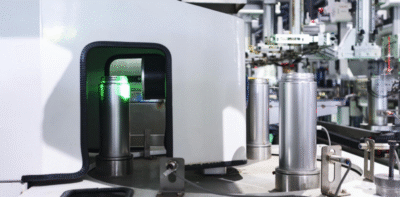
If you are looking for a reliable stainless steel drinkware manufacturer with experience in FDA, LFGB, BPA Free, and PFAS-Free production requirements, contact our team to discuss your project.
We support:
- Custom tumblers
- Vacuum insulated bottles
- Coffee mugs
- Sports water bottles
- Promotional drinkware
- OEM & ODM manufacturing
- Global wholesale supply